
2008:1
Fictrion from Mikael Engström and Inger Edelfeldt, and an article from Helen Sigeland on translation support.
Editor: Sarah Death
Deputy Editor: Neil Smith
Reviews Editor: Henning Koch
Photo by Nicholas Selman on Unsplash
How do we best promote contemporary Swedish fiction in the UK? This is the question posed in the March edition of the electronic newsletter Swedish Culture in the UK produced by the Swedish Embassy in London (go to www.swedenabroad.com and follow the links). The slightly dispiriting view advanced there is that the written word, especially from the family of smaller languages, may find it harder to break through in a foreign culture than other - non text-based - art forms such as dance and design.
While it is undeniable that the process of publishing fiction in translation is costlier and more time-consuming than publishing that written in English, a swelling number of UK publishers are seeing this as a worthwhile investment, as they seek out distinctive, high-quality books from around the world that will stand out from the often mediocre Anglophone mainstream. There are many reasons to be cheerful. The number of Swedish titles published annually in Britain – and the USA – is far greater than it used to be. Our regular “Just Out and Coming Up” listings always need a double spread these days, and the pages are not entirely filled with crime fiction titles, either. In any case, as Helen Sigeland points out in her article in this issue, high-profile crime writing successes like Henning Mankell and Stieg Larsson can pave the way for all manner of other Swedish literary exports.
There is also cheering news about the reinstatement of Sweden’s translation subsidy scheme, which after a period of uncertainty has now moved from the Swedish Institute to the Swedish Arts Council, where it will enjoy a vigorous new life. Helen Sigeland, who has accompanied the subsidy scheme from its old to its new home, provides the details in her article. SBR seems very likely to be one of the beneficiaries of what is now a dedicated framework for the international promotion of Swedish literature.
It seems appropriate then, as we move into what might be called a new and brighter funding era, to pay tribute to our reviewers, who since the inception of SBR have provided their services on a voluntary, unpaid basis. We are indebted to them all for their labour of love. This issue, as ever, offers a substantial and varied collection of reviews. We also feature extracts from three contrasting works of fiction for young people. In you’re the cutest ;-), Siv Widerberg and Mats Andersson tackle the thorny issue of internet paedophilia, in the setting of today’s multicultural Sweden. Mikael Engström’s Ice Dragon follows the young protagonist from his comfort zone in the inner city to new challenges in a rural environment. In Secret Face Inger Edelfeldt combines contemporary teenage ennui with subversion of the traditional fairytale genre, and tells us how she went about illustrating her book. And not wishing to ignore the Eurocrime wave, we are also pleased to present a sneak preview of The Reluctant Reporter by Jenny Nordberg and Nuri Kino, highly successful journalists who have collaborated on this eagerly-awaited thriller.
Translations

Translation
from Secret Face
Inger Edelfeldt combines her fascination with fantasy with a serious concern for the psychological and social pressures of the teenage years, not least the vexed question of personal identity and pressure to conform.
Translated by Sarah Death.

Translation
from The Ice Dragon
Mikael Engström's remarkable page-turner of a novel tells the story of one resourceful and extremely likeable boy’s journey through a world shaped by the arbitrary decisions of the authorities and the seemingly random actions of an assortment of adults.
Translated by Neil Smith.
Features
Article
Translation Support is Back!
To the delight of all the interested parties in Sweden, the Swedish Arts Council (Statens kulturråd) has assumed responsibility for the promotion of Swedish literature at international level.
Reviews
Compiled and edited by Henning Koch
Fiction

REVIEW
Duck City
Lena Andersson has written a diabolical satire about cravings, mass paranoia and mechanisms of control in a society that calls itself democratic.
REVIEW
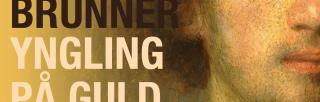
Yngling på guld
Ernst Brunner's novel documents the planning, execution and aftermath of a thrilling art raid.


REVIEW
Montecore: en unik tiger
Jonas Hassen Khemiri’s second full-length novel is aimed exclusively at the internet generation.

REVIEW
Ut ur skuggan
Jessica Kolterjahn's novel is a sustained, understated but moving portrayal of a person, sometimes baffled and sometimes euphoric, exploring her own feelings, sexuality and reactions to the world.
REVIEW
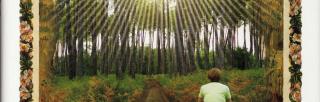
Mitt himmelska kramdjur
Katarina Mazetti is well known in Sweden for her humorous novels and short stories. Her fiction is hilarious, often bordering on the farcical.

REVIEW
Hennes mjukaste röst
Bengt Ohlsson’s novel is remarkably expressive, with powerful descriptive writing.

REVIEW
Drottningens kirurg
Agneta Pleijel's historical fiction demonstrates elegantly how history can aid maturity through observing and identifying with the humanity of shadowy figures from the past.
REVIEW
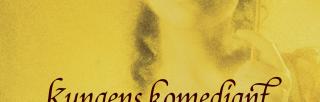
Kungens komediant
Agneta Pleijel's historical fiction demonstrates elegantly how history can aid maturity through observing and identifying with the humanity of shadowy figures from the past.
REVIEW
Mannen på Trinisla
Jerker Virdborg’s novel might better be called a reading experience, written by a cinematographer.
Fiction for Children and Teenagers
REVIEW
Hemligt ansikte
Inger Edelfeldt combines her fascination with fantasy with a serious concern for the psychological and social pressures of the teenage years.
Non-fiction
REVIEW
Diktonius – ett liv
Jörn Donner, himself a significant Finland-Swedish author and film expert, has written a biography of one of the more important Modernists that Finland has known: Elmer Diktonius.

REVIEW
Vikingaliv
What sets Dick Harrison and Kristina Svensson's book apart from many Viking studies is its detailed use of archaeology – in many cases a more reliable source of information than the Icelandic sagas.
REVIEW
Mig äger ingen
Åsa Linderborg's autobiographical work has been hailed as a classic of the growing-up genre so central to Sweden’s literary canon.