
2013:2
Fiction by Kerstin Ekman and Mikael Niemi, and a look behind the scenes of translating.
Editor: Sarah Death
Reviews Editor: Anna Paterson
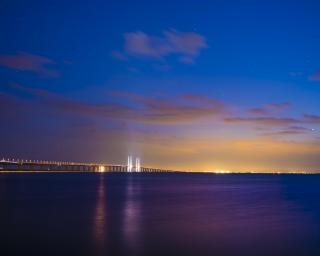
(Image: The Öresund Bridge by Night. Credit: Janus Langhorn /imagebank.sweden.se)
‘Translator as superstar’ may sound an unlikely concept, but there was no other way to describe the mood at the recent visit to the London Review Bookshop by Edith Grossman, US translator of Cervantes’ Don Quixote and many other works from Spanish. With the profile of the profession on the rise, an increasing number of events are bringing together working literary translators, academics and/or publishing-house editors. As one example of this, the December 2012 issue of The Warwick Review resulted from a symposium that yielded highly approachable personal views from leading British literary translators such as Anthea Bell, Margaret Jull Costa and Tim Parks. Also recommended is the Summer 2013 issue of the UK Translators Association journal In Other Words, which offers insights from practising translators and many others in the ‘translation chain’.
This issue of SBR spotlights translation, too. We present the second in a series of translation workshop reports, revealing some of the cultural and linguistic pitfalls facing the literary translator from Swedish. We also present survey findings about the number of languages from which translators of ‘Scandinavian’ typically work, and hear from translators helping a new Swedish literary journal get onto its bilingual feet.
The Bookshelf section this autumn is the usual satisfying mix, particularly rich in fiction reviews, and the translated extracts in this issue are equally diverse. The first translation, accompanied by an illuminating essay, is a set of pieces from the latest novel by veteran author Kerstin Ekman, 80 this year and still writing with the same verve, intelligence and mischievous wit as ever. Where many Swedish authors today begin as literary writers and then take to crime writing, she went the opposite way, diversifying from her early detective fiction into an oeuvre of amazing breadth and quality.
An impassioned article on hospitals and patients, incorporating extracts from fiction by Kristian Petri and a documentary work by Maciej Zaremba, takes the lid off the distressing distortions caused by letting market forces rule European health services today. Then there is a whimsical story from a prolific and popular author perhaps less known of late, Stig Claesson, and finally we have an intriguing extract from Mikael Niemi’s unusual thriller Fallwater, in which the ‘villain’ is an unstoppable force of nature.
In a further nod to the crime fiction phenomenon that has propelled some translators in the Nordic field rather closer to star status, we have an iconic cover image familiar to TV viewers and a piece from leading crime reviewer Barry Forshaw, hijacked from the mainstream to become what might be called ‘the voice of Nordic noir’ in the UK, about a new prize for translated Scandinavian crime fiction set up in memory of late colleague Maxine Clarke.
Translations

TRANSLATED EXTRACT
from Grand Finale in the Trickster's Trade by Kerstin Ekman
A leading novelist reads a manuscript threatening to reveal that the books she has published over the last 50 years have been written by a ghostwriter...
Translated by Linda Schenck

TRANSLATED EXTRACT
from Fallwater by Mikael Niemi
Disaster strikes in the far north of Sweden. How will the people react? Translated by Laurie Thompson
Articles

FEATURE
What's Wrong With Entertainment?
Helena Forsås-Scott examines Kerstin Ekman's Grand final i skojarbranschen and looks at why novels still matter.

FEATURE
Time-Travelling Translators
Ruth Urbom reports on a 2013 literary translation workshop featuring a novel by Anna-Karin Palm.
FEATURE
Who Actually Are Translaors of the Scandinavian Languages?
Ian Giles examines the impact of receptive multilingualism on practising translators and uncovers some other details about their careers.
Reviews
Edited and curated by Anna Paterson
Fiction
REVIEW
Fjärilseffekten
The butterfly effect of the title is the scientific theory that a single occurrence, no matter how tiny, can change the course of the universe forever.

REVIEW
Nymfens Tid
A shadowy, treacherous epoch, when Europe stood on the brink of war and a dark cloud of fear and intrigue – both personal and political – hung over the continent like an impending plague of locusts.

REVIEW
Dimma över Darjeeling
The first step of the plan consists of buying a tea plantation in Darjeeling.

REVIEW
Liknelseboken: En kärleksroman
The book is very much a meta-novel. Its nine chapters consist of nine parables, corresponding perhaps to the nine leaves torn from the centre of his long-dead father’s poetry notebook. The notebook had recently come into the author’s hands, even though he had long believed that his strongly religious mother had burnt the notebook. To her way of thinking, poetry was sinful. Parables, however, were acceptable.
REVIEW
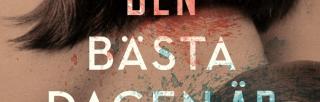
Den bästa dagen är en dag av törst
A fictional account of the writer and poet Karin Boye’s time in 1930s Berlin.

REVIEW
Mördaren ljuger inte ensam
The influence of English crime fiction on Maria Lang’s novels is obvious: the closed circle of suspects, suspense, and the solution reached through use of the little grey cells with pipe-smoking as inducement to concentration.
REVIEW
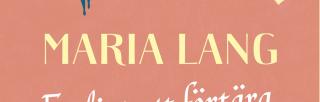
Farligt att förtära
The influence of English crime fiction on Maria Lang’s novels is obvious: the closed circle of suspects, suspense, and the solution reached through use of the little grey cells with pipe-smoking as inducement to concentration.
REVIEW
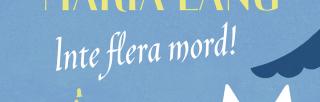
Farligt att förtara
The influence of English crime fiction on Maria Lang’s novels is obvious: the closed circle of suspects, suspense, and the solution reached through use of the little grey cells with pipe-smoking as inducement to concentration.


REVIEW
Jungfrustenen
Personalities as varied as Greta Garbo, Linnaeus and Goethe; a disastrous Nobel Prize ceremony, desperate rides in stolen cars, the snow-covered roads of the Arctic Circle.
REVIEW
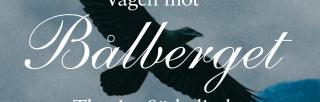
Vägen mot bålberget
Söderlind has taken her inspiration from a dark but horrifyingly real chapter in the history of Ångermanland. The plot revolves around Stake Mountain, a hill on which 71 local women, sentenced to death for witchcraft, were beheaded and burnt in the 1670s.
REVIEW
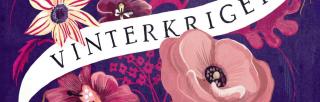
Vinterkriget. En äktenskapsroman
He has an eye for the little absurdities of life: Helen invites her new work colleague to dinner hoping to pair him up with her friend, but her intentions are thwarted by her own husband getting too enchanted with the guy.
REVIEW
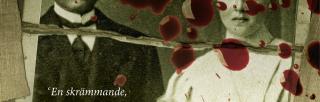
Feberflickan
She discovers that there is blood on her dress, but she is having her period, so perhaps that is the reason? Still, she hides the dress in her closet. The bodies of her parents are found, and she is arrested.
Fiction for children and teenagers

REVIEW
Skuggsidan
Illustrated in rich swathes of violets, purples and blues, this picture book aims to help young children come to terms with fear of shadows and the dark.
REVIEW
En sekund i taget
The quiet underdog with hidden qualities, a loser suddenly finding that he or she can make a difference in a situation where former tormentors now have to rely on him or her.

REVIEW
Sigrid och Natten
Illustrated in rich swathes of violets, purples and blues, this picture book aims to help young children come to terms with fear of shadows and the dark.
Non-fiction
REVIEW
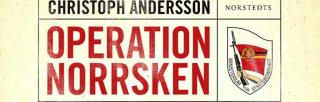
Operation Norssken: om Stasi och Sverige under kalla kriget
A fine piece of investigative authorship.
REVIEW
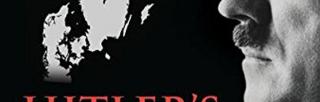
Hitler's Scandinavian Legacy
Drawing on the latest research, this volume is a welcome addition to the comparative histories on Scandinavia and the Second World War.

REVIEW
Pappan
A perfect combination for those wanting to get a grip on their own issues with ‘the system’.
REVIEW
En mänsklighet i mänskligheten
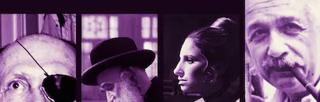
‘Judaism is a humanity unto itself – as diverse and heterogeneous as all of humanity on our planet.’

REVIEW
Patientens pris
Arguments as much as works of literature, inviting thought about what illness means to the individual and his/her nearest, as well as presenting, at times obliquely, the issues raised by attempts to organise health care on a massive scale.