

LATEST REVIEW
Kristina Sigunsdotter and Jenny Lucander
The Underground Tree is a grand adventure story inspired by the life and literary works of Karin Boye.
Reviwed by Elizabeth Lutz.
Photo: Linus Lindholm.
Reviews
Curated and edited by Darcy Hurford
REVIEW
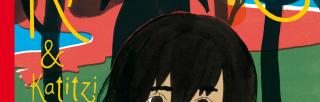
Katitzi and Katitzi och Swing
The Katitzi books expose readers to a way of life and to a period of harsh and disturbing stereotyping and discrimination of the Romani people that many may not know much about.

REVIEW
Jag är tyvärr död och kan inte komma till skolan idag
This is the kind of book likely to elicit the attention of gatekeepers in the world of YA fiction.

REVIEW
Den dag jag blir fri
In this biography of Katarina Taikon, one of the twentieth century’s foremost advocates for human rights in Sweden, Lawen Mohtadi weaves together general Romani history, Taikon’s family background, Taikon’s own story, depictions of life in Romani camps, and Mohtadi’s own experiences researching and writing this book.
REVIEW
När hundarna kommer
Jessica Schiefauer’s thorough examination of neo-Nazis, hate crime and homoeroticism resists simplification and reminds us of the thin line we all tread when we choose how to treat each other.


REVIEW
I varje ögonblick är vi fortfarande vid liv
A particular strength is his description of how someone in a crisis observes small and seemingly unimportant details and clings to them, to protect himself or herself against a greater evil.

REVIEW
Den sårade divan: om psykets estetik
‘How grandiose, eccentric, depressive, suicidal, bizarre, queer or sexually affirmative can a woman be before she is labelled insane?’
REVIEW
Ukraina – gränslandet
A carefully made documentary in print: two skilful communicators have joined forces to stimulate readers into learning more about their special subject.

REVIEW
Mary
Maria (Mary to her friends), a 23-year-old architecture student, has just discovered that she is expecting a baby.
REVIEW
Världens sista kväll
What remains from Ray Bradbury’s story is an existential ambivalence about the end of a life, and of the novel itself in the face of inevitability.

REVIEW
Masja
Now Masha, Tolstoy’s favourite child, comes into focus, completing the Russian triptych.
REVIEW
Onda boken
Something rotten at the heart of the Finland-Swedish academic and literary establishment.
REVIEW
Rörelsen: den andra platsen
A secret concealed in the communal laundry: a tub full of pulsating black goo that craves blood and offers in return irresistible mystical transports.

REVIEW
Jag är en tjuv
At a staff meeting, discussing ways to tackle the persistent issue of shoplifting, a security guard suggests the store deal with the problem by making culprits wear a sign saying ‘I am a thief’.

REVIEW
Låt mig ta din hand
Alsterdal has been carving out a niche as a writer of page-turners with a political, international flavour.